Romulus council rejects formal probe of camera contract
Voting down a motion to investigate the Flock agreement, officials said they will still review data access rules and contract details.
By Patrick Sullivan ·
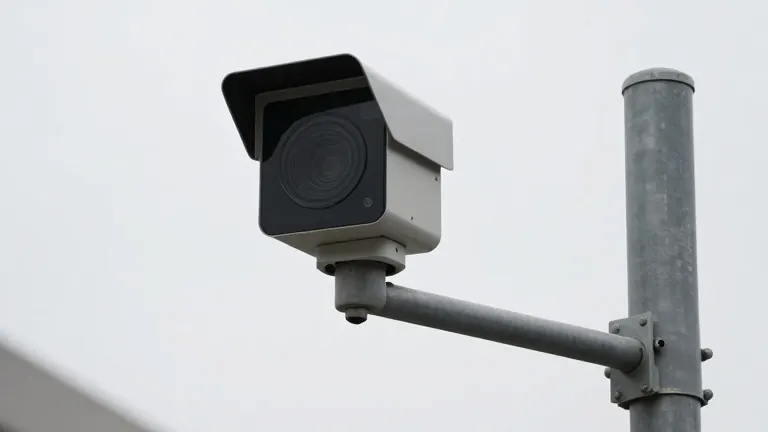
The Romulus City Council voted to reject a formal investigation into the city's safety camera contract with Flock on Monday.
The decision ended a specific inquiry into how the city's Tax Increment Financing Authority secured the agreement. Residents and some local leaders had raised questions about the regulation of the camera system and the transparency of the financial terms.
James Lee, a Romulus resident, initiated the push for scrutiny after noting the increasing number of Flock cameras on local roads. He stated that the lack of public engagement by the board responsible for the contract was a primary concern.
The financial details of the deal drew particular attention. The initial agreement listed an annual cost of $47,500 for the database, but later documents indicated the price would be $90,000 per year. Mayor Robert McCraight attributed the discrepancy to a clerical error. He said the final contract value is $90,000 annually, totaling $270,000. McCraight added that the city's legal team is currently reviewing the document to ensure all terms are correct.
Not all council members supported the vote to end the investigation. Councilmember Kathy Abdo argued that the process was about securing accountability rather than removing the cameras. Councilmember Mark Wilhide defended the technology, noting its potential to aid in recovering stolen vehicles or missing children.
Despite the vote, the mayor and several council members said they will continue to examine who has access to the data collected by the cameras. They also plan to look into potential regulations governing the system. McCraight said the city will cancel the Flock contract if outside influences violate the agreement's terms.
The city has increased its public safety fund to support these efforts. Officials noted that the police department requested the tool to manage increased traffic near Detroit Metro Airport. They also cited difficulties in recruiting new police officers as a factor in relying on this technology.
Source: CBS News Detroit · original report published