Olivia Chow wins second term as Toronto mayor
The re-elected mayor secured 54.2 percent of the vote, defeating Brad Bradford by nearly 128,000 ballots.
By Charlotte Morgan ·
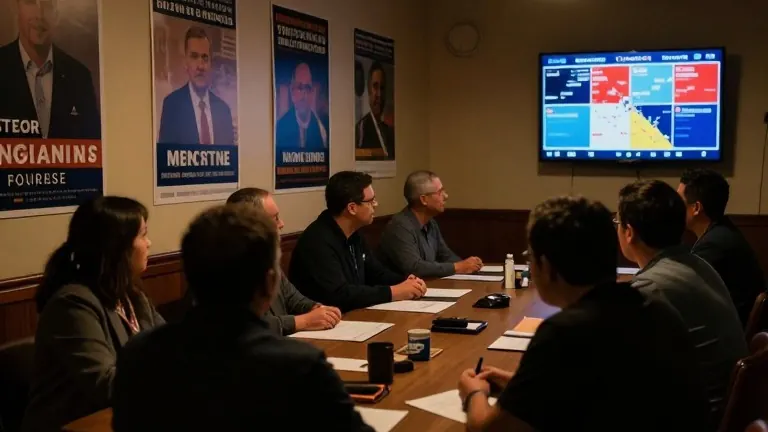
Olivia Chow won 54.2 percent of the vote to become Toronto's mayor for a second time.
Chow defeated Brad Bradford, who received 41.1 percent of the vote. The margin of victory stood at approximately 127,627 votes as of 9:59 p.m. Monday, when CP24 and CTV News declared her the winner. At that point, 99.2 percent of polls had reported results.
Chow campaigned on a platform focused on affordability. She promised to freeze TTC fares and make transit free after a rider completes 10 paid trips in a single week. She also pledged to expand the existing school nutrition program to include lunch. Chow told voters that these measures would save families an estimated $880 at the grocery store. She frequently stood at a podium displaying the words “More Affordable” in block letters during her campaign stops.
Taxation became a central point of contention between the two candidates. Chow stated she would keep property tax increases aligned with the rate of inflation. She warned that Bradford’s plan to freeze property taxes completely in 2027 would cost residents more over time. Bradford criticized Chow for raising property taxes by a combined 18.6 percent during her first three years in office. At a CP24 debate earlier in the month, Bradford called Chow's tax record a “bait and switch.” He noted that she had promised a “modest tax increase” during the 2023 mayoral byelection.
The race remained close until the final weeks. Nanos Research polling conducted for CP24 and CTV News in early October showed Chow with a nearly double-digit lead. By Oct. 20, that lead had narrowed to three points, creating a statistical tie. In the final week, Chow attacked Bradford’s proposal to make Toronto Water a publicly owned utility. She argued the move would open the door to privatization. Bradford rejected that concern, pointing to provincial legislation that requires Toronto Water to stay in taxpayer hands. He said he would resign if the utility were privatized during his tenure.
Bradford conceded defeat at his team’s headquarters on Monday night. He said he spoke with Chow by phone to congratulate her. “The people of Toronto have spoken, and they have decided that that she will be returning to the mayor’s office,” Bradford said. He added that she has his good wishes. Chow addressed supporters at her own headquarters, emphasizing that she intended to serve all residents. “I am your mayor too,” she said to those who did not vote or who supported other candidates. She noted that many people call Toronto home, work there, and raise families there even if they did not cast a ballot.
Chow will now serve a full four-year term as mayor. She was first elected in a 2023 byelection, a route that left her without a complete initial term. Her victory means she avoids becoming the first mayor since the city's amalgamation to lose a re-election bid in her first attempt. During a recent CP24 appearance, Chow said her first priority would be to bring the 25 members of city council together. She wants to work with them to map out the city's plans immediately after taking office.
Source: CKLW · original report published