Voters Reject Data Center Projects in 46 of 47 Midterm Ballot Measures
A proposed 10,000-acre facility in West Virginia faces local opposition after developers allegedly influenced state legislation to bypass standard community reviews.
By Patrick Sullivan ·
Data centers appeared on local ballots in 47 U.S. jurisdictions during the midterm elections. Voters in 46 of those areas voted to limit or curb development, according to Ballotpedia. This wave of local rejection stands in contrast to a project in Tucker County, West Virginia, where residents claim they were denied a similar vote.
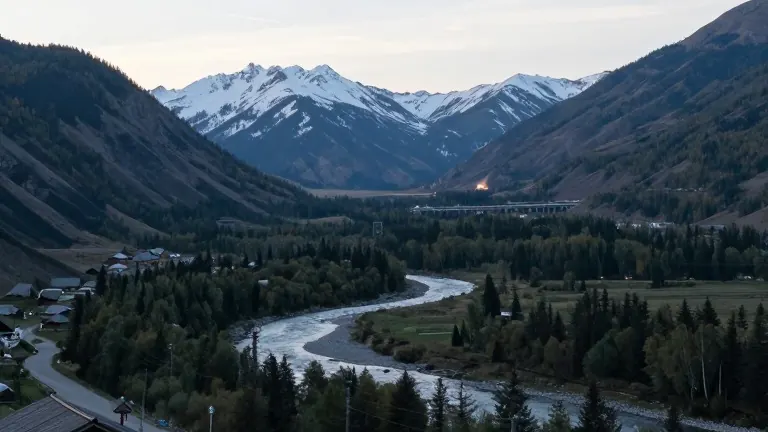
The proposed facility would cover 10,000 acres and run on natural gas. If completed, it would be the largest data center in the world, with a footprint slightly smaller than Manhattan. The project threatens the local economy, which relies heavily on tourism along the Blackwater River and nearby ski mountains. Jane Browning, owner of the business Ranger Jane, stated that tourism accounts for 80 percent of her revenue and that the loss of visitors would eliminate her business.
West Virginia Governor Patrick Morrisey supports the project, arguing it will lower power bills and address environmental concerns. However, local residents say the process lacked transparency. One resident noted there was no warning and no opportunity to object. Another said the community was never given a voice. A third resident expressed suspicion, stating there was something about the deal that the public did not know.
The controversy intensified after Ted McGavran, a developer for Fundamental Data, made comments on a recorded call in July. McGavran said the company wrote the bill that passed the state legislature, allowing them to do "pretty much whatever we want to do" in West Virginia. Morrisey has denied this claim, maintaining that the state is acting in good faith and that nothing has been officially approved. Public filings, however, show that the project received air permits on Aug. 15.
The legislative process involved a potential conflict of interest. Roger Hanshaw, the West Virginia House Speaker and sponsor of the bill, also serves as the lawyer for Fundamental Data. Hanshaw did not respond to multiple requests for comment. In Washington, Senators Martin Heinrich and Sheldon Whitehouse are introducing a bill to reform data center permitting. Heinrich argued that communities must understand the impact on electricity, water, and infrastructure before granting permits.