Blanche Vows War Readiness as DOJ Faces New Congressional Oversight
Top DOJ officials instructed federal prosecutors to prepare for a surge in activity following the Democratic takeover of Congress, while the agency prepares to defend its recent legal moves.
By Nicholas Reed ·
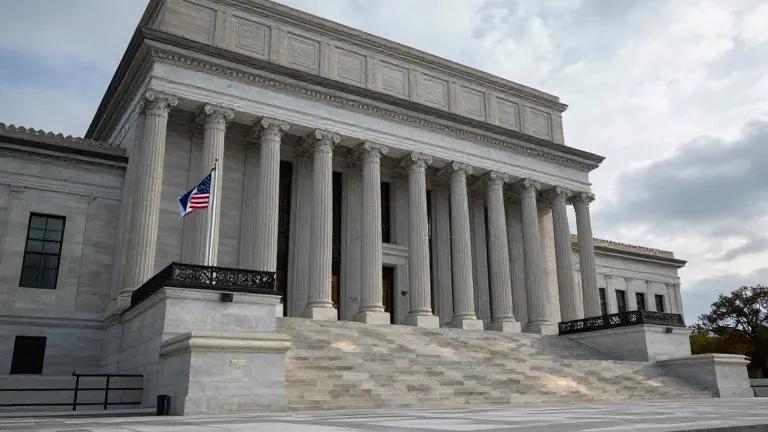
More than two years have passed since the Department of Justice began operating with minimal oversight from a Republican-controlled Congress, a period marked by aggressive investigations into President Donald Trump’s political rivals and the dismissal of hundreds of career employees. With Democrats now holding the majority in both chambers, that era of relative autonomy is ending as the new congressional majority prepares to launch a series of inquiries into the department’s recent actions.
Attorney General Todd Blanche stated on Monday that the department will cooperate with Congress but will not abandon its current agenda. In a phone call to federal prosecutors this week, top adviser Aakash Singh told the staff to prepare for a period of extreme urgency, a directive described by sources as a call for a war footing. The Justice Department later clarified that this stance was driven by public safety concerns, noting that some newly elected state and local leaders have shown less interest in collaborating with federal law enforcement.
The department’s leadership appears braced for a confrontational dynamic. Blanche told Fox News that the administration has two years remaining and intends to use that time fully. He emphasized that the department would not yield to the Democratic agenda, a sentiment echoed by internal communications suggesting that further personnel changes are on the horizon. Several high-ranking officials, including confirmed heads of the National Security, Civil Rights, and Civil Liberties divisions, announced their resignations in the days following the November 3 election.
These departures leave key divisions led by interim officials who have not been confirmed by the Senate. Greg Brower, a former federal prosecutor, noted that this setup could lead to inaction, as major policy decisions are typically made by Senate-confirmed leaders. The Justice Department responded in a statement that it has full confidence in the incoming leaders and that its mission to enforce laws and combat crime remains unchanged.
Tensions have already surfaced in the early exchanges between the new congressional leadership and the department. The House voted to declare former attorneys general Eric Holder and Merrick Garland in contempt, a move mirrored by Democrats in 2019 under William Barr. This time, the shift in power allows Democrats to pursue subpoenas and hearings that were previously difficult to enforce against a cooperative Republican Congress.
Legal experts question the ease with which Congress can compel cooperation. Stan Brand, a former House counsel, described the current situation as a stalemate, noting that litigation can take years and that contempt referrals would return to the Trump-era Justice Department. The White House has also signaled resistance, with advisor Will Scharf warning in a letter that congressional investigations could constitute a flagrant criminal act, a claim Brand called a common mistake among first-year law students.
The friction extends to specific cases. Federal prosecutor Aaron Reitz in Houston sent a letter to Senator Richard Blumenthal regarding his inquiry into the funding of the White House ballroom. Reitz ordered Blumenthal to preserve all relevant records and accused the senator of intimidating citizens. Blumenthal responded that he would not be intimidated. Blanche acknowledged on Thursday that no formal investigations are open into the Democrats’ rhetoric but expressed concern over what he described as threats against the administration.
Leah Foley, the U.S. attorney for Massachusetts, told the Associated Press that prosecutors should continue focusing on fraud, violent crime, and drug trafficking. She noted that while the political landscape has shifted, the department has a history of working effectively under divided government and expects the current turbulence to settle.