37% of 9-year-olds read for fun, down from more than half in the 1980s
A Kansas City museum built on children's classics aims to reverse the decline by turning pages into physical spaces, charging $16 for entry.
By Patrick Sullivan ·
In the 1980s, more than half of 9-year-olds read for pleasure almost every day. Federal data now shows that figure has dropped to 37 percent. For 13-year-olds, the number is lower still, with only 14 percent reporting regular recreational reading. Against this backdrop, a museum in Kansas City, Missouri, is operating as a physical response to the trend.
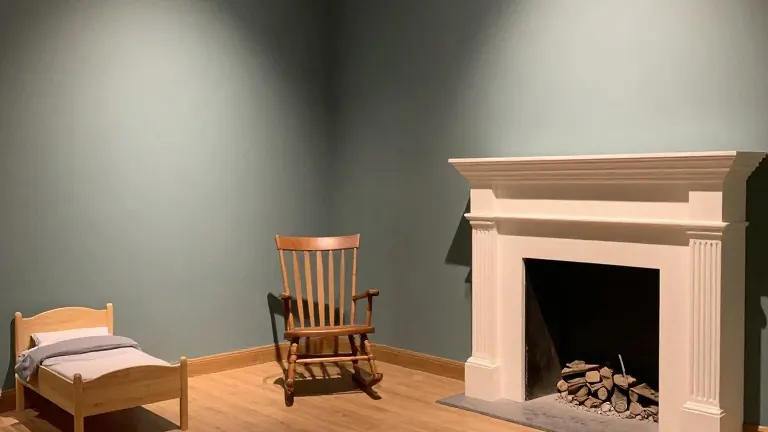
The Rabbit hOle opened in 2024. It occupies more than 40,000 square feet and features roughly 45 exhibits based on well-known children's books. The displays include life-size recreations of scenes from titles such as “Madeline,” “Frog and Toad,” and “Curious George.” One exhibit replicates the “great green room” from “Goodnight Moon,” complete with a moving moon, a fireplace, and an oversized rocking chair. A 16-foot panda named Stillwater from “Zen Shorts” also stands among the displays.
The museum has drawn more than 300,000 visitors since opening. Guests have come from all 50 states and from countries including Italy, Sweden, and Singapore. Founder Peter Cowdin and his wife, Deb Pettid, ran a bookstore for 28 years before launching the project. Cowdin said the couple wanted to celebrate the history and culture of children's literature without the pressure of marketing or sales.
“Creation and generative activity is really at the soul of the Rabbit Hole,” Cowdin said. He noted that the team had to secure permission from authors or their estates to use the characters for free. This arrangement allowed the museum to keep admission costs at $16 per person. Children ages 2 and younger enter for free.
The decline in reading coincides with a rise in screen time. Data indicates that 65 percent of children ages 8 to 13 watch television daily. The average daily screen time for that group is 5.5 hours. Abbey Mecca, a local mother, said reading is a non-negotiable part of her household routine. “It’s not an option to not read at our house,” Mecca said. Idean Bindell, another parent, said the museum helps her children see the process behind storytelling rather than just viewing books on a shelf.
Cowdin stated that getting children away from screens was not the primary goal, but it has become a common result. “I never run into a kid wanting to be on a phone or a tablet in here ever,” he said. He described the museum as a counterbalance to the practice of treating reading strictly as a skill to be drilled. The focus, he said, is on the joy of the activity.
The Rabbit hOle continues to operate with its current roster of exhibits. The museum produces its displays in house at its factory. The $16 admission fee remains the standard price for general entry.